







Instrumentation and control systems play a critical role in industrial automation, ensuring that complex operations run smoothly and efficiently. As industries across the CEE and CIS regions increasingly embrace automation, the future of instrumentation is poised to bring even greater advancements in accuracy, safety, and process optimization. This article explores the cutting-edge technologies shaping the future of instrumentation and control systems, highlighting how they will impact industrial projects in these regions.
1. Advancements in Smart Instrumentation The rise of smart instrumentation is one of the most significant trends shaping industrial automation. Traditional sensors and devices are being replaced by intelligent, connected systems capable of gathering real-time data and making adjustments based on precise measurements. Smart instrumentation improves process control by providing more accurate data, reducing manual intervention, and enhancing operational efficiency.
These systems can monitor parameters such as pressure, temperature, and flow rates in real time, triggering automatic adjustments when necessary. For example, in electrical engineering projects, smart instrumentation can optimize energy consumption by dynamically adjusting systems based on current demand.
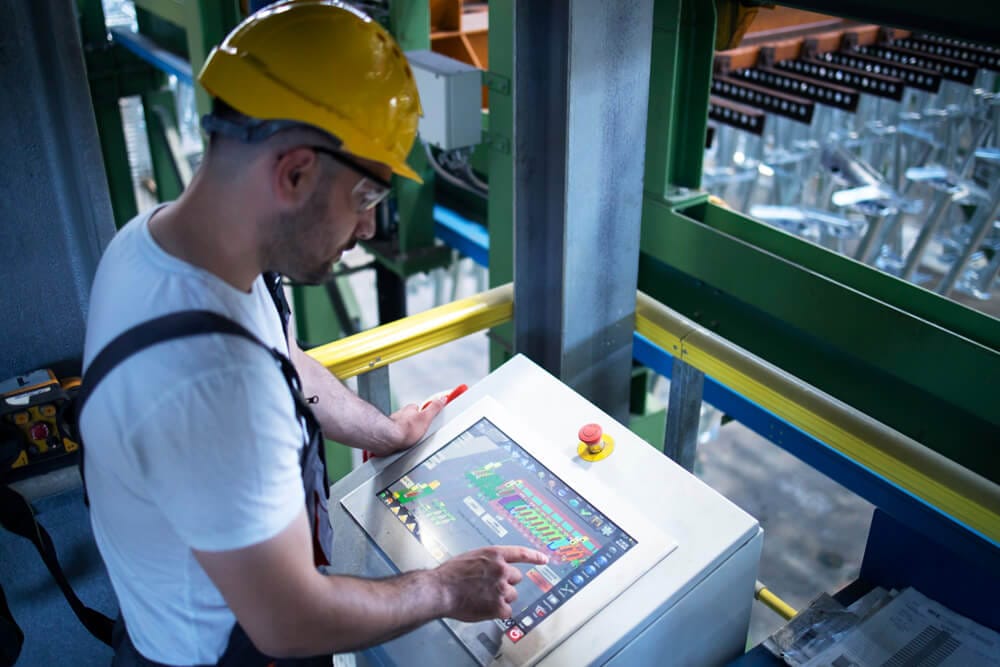
2. Edge Computing and Real-Time Monitoring Edge computing is transforming how data is processed in industrial environments. Rather than sending data to a central server for processing, edge computing allows data to be processed locally, at the “edge” of the network. This improves response times and enables real-time monitoring of critical industrial processes.
For instrumentation and control systems, edge computing allows businesses to react more quickly to changes in equipment performance or environmental conditions. In the CEE and CIS regions, where large industrial facilities often operate in remote locations, edge computing is particularly valuable in ensuring seamless operations without the need for constant human oversight.
3. Predictive Maintenance with AI AI-powered predictive maintenance is revolutionizing the way industries manage equipment and avoid costly downtime. By analyzing data collected from instrumentation and control systems, AI algorithms can predict when equipment is likely to fail and recommend maintenance before breakdowns occur. This allows businesses to be proactive, reducing unscheduled maintenance and prolonging equipment life.
In industrial automation, predictive maintenance helps optimize operations by ensuring that machinery is always running at peak performance. Companies in the CEE and CIS markets can benefit significantly from implementing AI-driven maintenance strategies, particularly in industries where equipment downtime can lead to significant financial losses.
4. Cybersecurity in Instrumentation As industrial automation systems become more connected through IoT and smart instrumentation, cybersecurity becomes a critical concern. Industrial control systems are increasingly vulnerable to cyberattacks, which can disrupt operations, compromise sensitive data, and cause physical damage to equipment.
Ensuring the cybersecurity of instrumentation and control systems is essential for safeguarding industrial assets. This involves implementing strong encryption protocols, securing communication channels, and regularly updating system software to address vulnerabilities. In the CEE and CIS regions, industries must prioritize cybersecurity to protect their operations from both external and internal threats.
The future of instrumentation and control systems in industrial automation is being shaped by intelligent, connected technologies such as smart instrumentation, edge computing, AI-driven predictive maintenance, and enhanced cybersecurity. As industries in the CEE and CIS regions continue to invest in automation, these advancements will provide businesses with the tools they need to optimize operations, reduce downtime, and protect their valuable assets. Companies that adopt these cutting-edge solutions will be well-positioned to thrive in an increasingly automated industrial landscape.